


SEATTLE—Botanical medicines including Bromelain, Chelidonium, and activated hexose correlated compound (AHCC), a substance derived from medicinal mushrooms, can strengthen immune system function in cancer patients, improving chemotherapy outcomes, prolonging survival, and reducing recurrence rates, said James Belanger, ND, at the annual meeting of the American Association of Naturopathic Physicians.
“I’ve got patients scared to death, because their oncologist has told them they’ve got a 40% chance of dying within 5 years, and there’s not a lot that can be done. I say, ‘Maybe not!’ If we can add some natural medicines to the mix, we can improve that survival rate and really help these people,” said Dr. Belanger, a naturopathic oncologist in Lexington, Mass.
A 15-year survivor of testicular cancer himself, Dr. Belanger stressed that certain botanicals greatly improve the immune system’s ability to contain and control tumors, especially after surgical debulking and before chemotherapy, if the latter proves necessary. The key, said Dr. Belanger, is to understand the mechanisms by which cancer cells outwit the immune system, and then selecting and combining botanicals that counter the cancer’s immunosuppressive tricks.
Monitor Immune Cells
Frequent monitoring of immune cell count, function, and cytokine levels is very important. He recommended regular assessment of the following: total white cell count, T-cell subset analysis, T-cell and B-cell activity level, natural killer (NK) cell number and activity level, presence of circulating immune complexes, serum levels of IL-10, IL-12, IL-2 and TGF-ß1.
Since lymphocytes are one of the main defenses against cancer, you want to see large numbers, especially macrophages. Lymphocyte subset counts will tell you how many T-helper and T-suppressor cells a patient has. “You want to have a lot of T-helpers, and not a lot of T-suppressors,” said Dr. Belanger. But good counts are only part of the picture; the cells need to be fully functional, so that when exposed to a cancer antigen, they will proliferate quickly. It is equally important to check T-cell and B-cell function, as well as NK cell activity.
In healthy people, antigen-presenting cells like dendritic cells or macrophages rapidly activate T-cells. In cancer patients the process is blunted, particularly as the cancer progresses. This is because many types of cancer cells secrete signaling substances that prevent T-cell activation. Cancer cells also secrete substances that convert Th1 cells to Th2 types, which down-regulate and suppress immune system response.
Lymphocyte Subset Analysis
Once activated through contact with antigen-presenting cells, healthy T-cells differentiate into a host of cell subtypes with distinct functions. These include cytotoxic cells, memory cells, T-suppressor cells, and T-helper cells. It is important to measure all of these. “Some are good, like the cytotoxic and helper T-cells. Others, like suppressor cells, aren’t so good,” said Dr. Belanger.
The first thing to consider is CD4 to CD8 ratio, an indicator of the number of T-helper and T-suppressor cells. “You want that ratio to be greater than 2. Most research shows that you do far better if the ratio is higher than 2. The studies show longer survival and decreased risk of relapse for patients in remission.”
A CD4/CD8 ratio under 2 indicates one of two things: abnormally low T-helper levels, as in untreated patients with HIV, or elevated T-suppressor levels. The latter is typical in cancer. “It is much more common in the initial stages of cancer for the CD8 cells to go high, because that’s one mechanism by which cancer cells overcome the immune response: they cause suppressor cells to proliferate.”
Dr. Belanger strongly recommended checking the CD4/CD8 ratio regularly, even if a patient is in remission. In a study of breast cancer, women who maintained ratios of 3 and over had far fewer recurrences than those in whom the ratio dropped below 2. A similar pattern was found in colon and esophageal cancer.
Natural Killer Cells
NK cells are an essential component of a healthy cellular immune response. Individuals with family histories of cancer show consistently lower NK cell activity than those without such histories. Women with high NK cytotoxic activity have roughly half the cancer risk of those with low NK activity. Among cancer patients, those with low NK activity have shorter remissions, greater tumor burdens and increased lymph node metastasis. Those with normal NK numbers or better prior to chemotherapy tend to have better responses.
IL-10, TGF-ß1, and IL-2
Cancer cells release IL-10, which used to be called Cytokine Synthesis Inhibitory Factor, and for good reason: IL-10 stops synthesis and release of cytokines involved in activating cellular immune response. “If patients have low serum IL-10, that is under 5 pg per ml, they have better survival, and there’s lots of research on this, in many different types of cancer including non-small-cell lung cancer and gastrointestinal cancers,” said Dr. Belanger. “Those with low IL-10 levels respond better to chemotherapy. So if you can get IL-10 down before they even start chemotherapy, you may be able to improve outcomes.”
In a study of chronic lymphocytic leukemia, the number of patients surviving to 40 months was three-fold higher in those with low baseline IL-10 levels, compared with those who started with high IL-10. In non-small-cell lung cancer, survival was twice as long in patients with the lowest IL-10. There are similar studies for many other cancers. Monitor IL-10 closely, and work with botanicals capable of reducing it.
Transforming Growth Factor (TGF)-ß1 is another signaling molecule released by many types of cancer cells, and it should also be monitored closely. TGF-ß1 blocks the binding of antigen-presenting cells to T-cells, disrupting the T-cell activation process. “TGF-ß1 is another thing you don’t want to see a lot of.”
The third key cytokine to watch is IL-2, particularly in patients already treated and in remission. In a study of colon cancer, those with serum IL-2 levels greater than 45 had a much higher recurrence rate than those with IL-2’s under 34. “If your patient is in remission from a cancer with a high risk of recurrence, you want to check this. If you see it climb, you need to change your protocol a little bit.”
Several diagnostic labs provide these immune system measurements. Dr. Belanger recommended Immunosciences Laboratory (Beverly Hills, CA, www.immuno-sci-lab.com; 800-950-4686), which specializes in assessing immune system parameters relevant to cancer care. Immunosciences can provide these tests individually or as part of a comprehensive panel costing between $300 and $400. In some cases, a patient’s insurance plan will cover it.
Give the Immune System a Fighting Chance
Levels of IL-10, TGF-ß1 and other immune system disruptors are proportional to tumor burden. For patients with large, advanced tumors, the first step in improving immune response to cancer is surgical debulking. “Immune system therapies work much better if the patient has undergone surgery first.” This is more difficult when a patient has multiple tumors or the primary tumor is fundamentally inoperable. But for most patients, debulking eliminates large quantities of IL-10 secreting cells, thus giving the immune system a fighting chance.
Bromelain, Astragalus and AHCC
In the course of treating hundreds of patients with cancer, Dr. Belanger has found three natural substances that almost always reduce IL-10: Bromelain, an enzyme derived from pineapple; Astragalus, a mainstay herb in traditional Chinese medicine; and Activated Hexose Correlated Compound (AHCC), a form of hemicellulose derived from rice bran biologically modified with a carbohydrase enzyme from the Lentinus mushroom.
“I use these three agents in most of my cancer patients, and I always check serum IL-10, and it always goes down. I don’t know which of these is doing it, or if it is an effect of the combination, but I’ve been doing this in my office and most of the time it works,” said Dr. Belanger.
Bromelain has been shown to reduce prostaglandin E2, an immunosuppressive cytokine. In the context of breast cancer, it produced a twofold increase in cytotoxic activity of monocytes. It is also a very effective way of reducing IL-10.
![]() |
|
| Astragalus. Photo Courtesy of Herb Pharm. |
Astragalus has multiple effects, one of which is to reduce proliferation of CD8 (T-suppressor cells). Dr. Belanger routinely uses high doses, on the order of ten 300-mg capsules per day. “I’ve seen suppressor cell counts go down within a month in some patients. It doesn’t always work, so I don’t take it for granted. It is always best to re-check the ratio to make sure you are making some headway.”
Many companies make Bromelain and Astragalus products. Dr. Belanger recommended Vital Nutrients (www.vitalnutrients.net), though he has no financial relationships with the company.
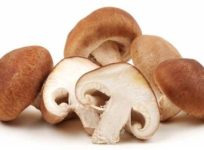
AHCC, marketed as ImmPower by American Biosciences (www.americanbiosciences.com; 888-884-7770), has multiple beneficial effects. It stimulates macrophages to release IL-12, a potent inhibitor of IL-10, thus stopping IL-10 inhibition of normal immune function. It also prevents cancer cells from producing TGF-ß1. One of its strongest effects is in stimulating NK activity. At a dose of 2 g, thrice daily, AHCC gives consistent increases in NK activity. “Lower doses don’t seem to work as well,” said Dr. Belanger, adding that AHCC usually gives measurable effects within a month.
In healthy people, NK cells typically represent about 20% of total immune cells. In people with cancer, the number is around 10% or less. Generally, the higher the count, the better the treatment response and the longer the patient stays cancer-free. “The more ninjas the better,” said Dr. Belanger. “If you start out with a high level of NK cells before chemotherapy, even if there’s a chemo-related drop-off, you’re more likely to have a positive therapeutic response.”
Dr. Belanger has found the Reishi mushroom to be the most reliable ally in increasing NK cells. A staple of traditional Asian medicine, hot water extracts of Reishi can push NK levels to normal and above in cancer patients. “I generally give 2 grams, thrice daily, like the AHCC,” he said.
Chelidonium Improves T-Cell Function
![]() |
|
| Chelidonium (Celandine). Photo taken at Herb Pharm’s certified organic farm in Oregon. |
Chelidonium majus, also known as Greater Celandine, is a flowering plant found across the northern US. According to Dr. Belanger it is one of the strongest T-cell activators and inducers of tumor necrosis in the Western herbal pharmacopeia. “I love this herb, and I’ve been using it with my patients for a long time.”
One trial showed that a 30-gram Chelidonium infusion, taken twice daily, markedly increased T-cell infiltration of esophageal tumors. Though tinctures of this herb are commercially available, infusions (teas) are best. “I’ve tried tinctures and they just don’t work as well. We know Chelidonium has a very high alkaloid content, but using the alkaloids by themselves is toxic.” Korean researchers contend it is the polysaccharides in the plant that are most active (for T-cell stimulation), and these are best extracted with water infusions.
Compounds within Chelidonium improve the ability of T-cells to latch onto tumor cells. “Patients show a huge infiltration of lymphoid cells into the cancer tissue, and this happens within two weeks. Those that have this lymphoid infiltration tend to do much better than patients that do not.”
Contrary to a common belief, Chelidonium taken as a tea does not cause liver problems. “I’ve been using Chelidonium with my patients for more than 6 years, and I’ve never seen it raise liver enzymes. I’ve even given it to patients with liver cancer. But I do monitor liver enzymes just to make sure.” The main drawback to Chelidonium tea is its bitter taste, which can be hard for some patients to take. “I’m working with Vital Nutrients to try and produce a good concentrated extract in pill form, to alleviate that problem,” he said.
Panax and Eleutherococcus Ginseng
Panax ginseng is particularly useful for patients who show low CD4/CD8 ratios due to abnormally low CD4 cell counts, a common problem following chemotherapy. In a study of patients with gastric cancer, 4.5 g per day prevented chemotherapy-associated declines in T-helper cells. “Panax won’t raise CD4 levels above normal, but it will keep them from dropping too much.”
Eleutherococcus ginseng can raise both B-cell counts and B-cell activity. B-cells release antibodies that bind to tumor cells, while also releasing IL12 to activate NK cells. In cancer patients, this process is suppressed. Eleutherococcus can induce a 1.5-fold increase in total B-cell numbers. Not only does this herb raise B-cell numbers, it also increases their activity by a factor of 3. “You want to see a lot of angry B-cells proliferating into lymphoblasts.”
Ongoing immune system monitoring is essential, not only for guiding therapeutic decisions, but for showing patients their progress. A comprehensive naturopathic protocol for immune system enhancement is not cheap. Some of the products are quite expensive, and it is important to check regularly to be sure they are having the intended effect, Dr. Belanger said.