


SAPPORO—It seems to be a physiological fact that advancing age brings with it a gradual deterioration of the immune system, a phenomenon referred to as “immunosenescence.” Age-associated immunodeficiency renders people more susceptible to infectious conditions like common colds, influenza, and pneumonia, as well as other more serious diseases.
Immunosenescence is a contributing factor to the increased cancer incidence, morbidity, and mortality among the elderly. According to a report issued by the Alliance for Aging Research, about 77% of all cancer cases are diagnosed in individuals 55 years of age or older.
Conventional medical wisdom holds that beyond basic “healthy lifestyle” recommendations (low-fat, high-fiber diet, plenty of antioxidants, rest, moderate but regular exercise) there is little that physicians can do to boost immune system function in the elderly. That may soon change.
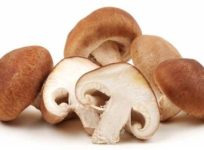
New studies show that compounds derived from medicinal mushrooms can stimulate T-cell function in elderly individuals. Researchers are using modern scientific tools to validate the observational wisdom of traditional Asian medical systems, which for centuries have advocated use of medicinal mushroom “tonics” to improve vitality, ward off illness and promote longevity.
Zhinan Yin, MD, a rheumatologist at Yale School of Medicine, studied immune system function in a cohort of 30 healthy individuals aged 50 years and older, who took a mushroom-derived substance called Active Hexose Correlated Compound (AHCC) daily for 60 days. Dr. Yin and colleagues were interested in how AHCC would affect CD4+ and CD8+ T-cell counts, and the cells’ production of interferon (IFN)-γ and tumor necrosis factor (TNF)-α, two cytokines thought to play a key role in the body’s natural defenses against neoplastic cells. Dr. Yin reported the findings at the 16th International Symposium of the AHCC Research Association.
For each subject, the Yale researchers measured cytokine production by the CD4+ and CD8+ cells at baseline, after 30 days on AHCC, after 60 days, and once again 30 days after cessation of treatment. They found consistent and significant increases in CD4+ cell production of both cytokines within 4 weeks of AHCC supplementation. The effect was maintained for the entire treatment period, and it held for cells producing IFN-γ alone, those producing TNF-α alone, and those producing both cytokines.
Though the effect did not persist strongly after cessation of therapy, Dr. Yin noted that the level of combined cytokine production by CD4+ cells remained slightly higher at 30 days post-treatment than at baseline. “This implies that the effect of AHCC on CD4+ cells could last for several weeks, even after the compound is discontinued.”
The effect of AHCC on CD8+ cells was somewhat slower. After 30 days and 60 days of treatment, there were no appreciable mean increases in production of either cytokine compared to baseline. But at 30 days post-treatment, there was a significant increase in CD8+ cells producing IFN-γ, as well both cytokines in combination, compared with baseline levels. “This suggests that the effect of AHCC on CD8+ cells could remain even after discontinuing treatment.”
AHCC is a mixture of polysaccharides, amino acids, lipids and minerals derived from cocultured mycelia of several species of Basidiomycetes mushrooms. It is unique among modern mushroom-derived medicines in that it is made up primarily of partially acetylated α-glucans, which have a very low molecular weight of only 5,000 Daltons. Most medicinal mushrooms are rich in β-glucans, which have much larger molecular weights in the range of 100,000–1,000,000 Daltons. Lower-molecular weight compounds are thought to be more easily absorbed.
Though still relatively new in the US, AHCC has been widely used in Japan as an adjunctive therapy for cancer, hepatitis, HIV/AIDS and other disorders characterized by immunodeficiency since its discovery at the University of Tokyo in the 1980’s.
One study of note was a prospective cohort study of 269 patients with liver cancers showing that survival time was two-fold higher among the patients taking AHCC as in the control group. The AHCC-treated patients also had fewer tumor recurrences (Matsui Y, et al. J Hepatol. 2002; 37(1): 78–86).
The same research team, from the Kansai Medical University, Osaka, also undertook a 3-year study of 127 patients with stage III and IV gastric and breast cancer patients, and found that patients taking AHCC showed a 40% increase in Mean Survival Rates compared with Japanese national averages for patients of similar age with similar cancers.
In Japan, AHCC is most often used in the treatment of malignancies and other life-threatening diseases, but some Japanese physicians also recommend it prophylactically for people who are particularly susceptible to colds, flu, and other airborne infectious diseases.
The significance of Dr. Yin’s work is that it is the first study to show immune system enhancement in healthy older individuals, suggesting that AHCC may have some benefit in ameliorating immunosenescence. The new findings also complement some basic research work showing that AHCC can increase natural killer (NK) cell function by 300%–800%.
“The fact that we were able to clinically demonstrate that AHCC can increase cytokine response in healthy elderly subjects is a very significant development,” said Dr. Yin. By helping to maintain the strength of the immune system as people age, AHCC has the potential to help the body prevent the onset of numerous conditions that disproportionately affect the elderly.
In related news, Gary Deng, MD, of the Memorial Sloan-Kettering Cancer Center (MSKCC), presented data at the American Society of Clinical Oncology’s annual meeting, showing that a glucan-rich polysaccharide extract from the Grifola frondosa (maitake) mushroom could significantly increase T-cell number as well as T-cell cytokine production in 30 post-menopausal breast cancer survivors.
This dose escalation study was designed to determine the optimal dose level of maitake extract for use in future clinical studies. That optimal dose was found to be 6 mg/kg (3 mg, twice daily). At this dose, the mushroom extract increased NK cell production of intracellular IL-2 by 237% from baseline, while simultaneously increasing T-cell IL-10 production by 360% (Deng G, et al. J Clin Oncol. 2008; 26(Suppl): Abstr. 3024).
Maitake mushrooms have also been used in Asian medicine for hundreds of years to strengthen resistance against disease. More recently, standardized maitake extracts have also been studied as adjunctive cancer treatments.
A previous study, done jointly by researchers at MSKCC and Cornell University Medical College showed that maitake extract could enhance bone marrow colony formation as well as reduce toxicity induced by anti-cancer drugs.
Dr. Deng said the clinical significance of the current immunomodulatory findings is not yet clear. But he noted that there were no dose-limiting toxicities associated with the maitake extract.