


Cruciferous Indole at the Crossroad of Estrogen Metabolism


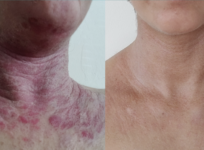
Photo courtesy of
Dr. Michael Zeligs.

One of the keys to preventing estrogen-related cancers is to establish a healthy balance between estrogen metabolites. Cruciferous vegetables and specifically an indole phytonutrient called Diindolylmethane found only in these plants, can help to a great extent.

Think of estrogen metabolism as a forking path, with estradiol (E2) and estrone (E1) being metabolized in target tissues to either 2-hydroxyestrogens (2OHE’s) or 16-alpha hydroxyestrogens (16OHE’s).

Physiologically, these two groups of metabolites have a powerful yin-yang dynamic: 16-hydroxyestrone (16OHE1), the most important of the 16OHEs, goes on to become estriol but also promotes cell proliferation and contributes to the development of cancer. In contrast, 2-hydroxyestrone (2OHE1) is anti-proliferative, promotes protective apoptosis, and helps to prevent cancer (Ge X, et al. Biochem Biophys Res Commun 1996; 228(1): 153–58; Klauber N, et al. Cancer Research 1997; 57: 81–86). There is mounting evidence of an association between underproduction of 2OHE and an increased risk of estrogen sensitive cancers (Service RP. Science 1998; 279: 1631–33), explained Michael Zeligs, MD, a staff physician at Boulder Community Hospital, who is one of the nation’s leading researchers in phytomedicine and cancer prevention.

Both 2OHE and 16OHE are necessary; the critical issue is the balance between them. Many people—women and men alike—underproduce 2OHE, with a resulting build up of 16OHE. This predisposes them to hyperproliferation of estrogen-sensitive tissues. Since 16OHE is even more estrogenic than unmetabolized E1 and E2, what results is a host of health problems, including weight gain and increased cancer risk (Fishman J, et al. J Steroid Biochem and Mol Biol 1984; 20: 1077–81; Bradlow HL, et al. J Endocrinol 1996; 150: S259–65; Muti P, et al. Epidemiology 2000; 11: 635–40).

The situation is akin to the balance between omega-3 and omega-6 fatty acids. Both are necessary for health, but they have very different physiologic actions. The typical American diet, rich in meats and saturated fats, leads to extreme imbalances in favor of omega-6’s which are pro-inflammatory and tend to push sympathetic nervous system activity. Similarly, a diet deficient in phytochemical-rich vegetables predisposes to a weak metabolism of estrogen, and an imbalance toward unmetabolized E1/2 and greater 16OHE.

A Ratio-nal Approach to Estrogen

Michael Zeligs, MD.

The point, said Dr. Zeligs, is to look at estrogen in terms of metabolite balance, expressed as a ratio of 2OHE1 to 16OHE1. Both metabolites are testable in urine and blood, and a number of functional testing laboratories, the most prominent being MetaMetrix and Great Smokies Diagnostic Labs, provide the tests.

In women, the production of estrogen metabolites fluctuates during the menstrual cycle, but in a given patient, the ratio between the various metabolites remains more or less constant. Dr. Zeligs, who is currently studying the relationships between underproduction of 2OHE and breast pain or cervical dysplasia, said a healthy ratio is somewhere in the range of 2 and 3.5.

“Under 2 is suspicious, indicating under-active 2OHE production and overproduction of 16OHE,” he told Holistic Primary Care. “On a statistical, basis, women with cancer or at high risk for cancer have ratios of 1 or less than 1.”

In men, circulating estrogen is more constant, with metabolite levels similar to postmenopausal women. In urine, 2OHE1 is in the range of 10–30 ng/ml, while 16OHE1 is between 5–20 ng/ml. As in women, a healthy ratio is between 2 and 3. Men who overproduce the 16 metabolite are at increased risk for head and neck cancers (Yoo HJ, et al. Otolaryngol Head Neck Surg 2001 Mar; 124(3): 241–47) and possibly prostate cancer.

There appears to be an age-associated accumulation of estrogen in the prostate (Krieg M, et al. J Clin Endocrinol Metab 1993 Aug; 77(2): 375–81) and elevated estradiol in men correlates with increased PSA production. This can be inhibited by increasing 2OHE (Nakhla AM, et al. J Biol Chem 1997 Mar 14; 272(11): 6838–41).

Dr. Zeligs added that in both genders, high 16OHE and unmetabolized estrogen correlates with obesity, and in men, with higher risk of cardiovascular disease. “One of the little known findings from the original Framingham Heart Study data is that elevated estrogen was the single biggest risk factor for early heart attack in men” (Phillips GB, et al. Am J Med 1983 May; 74(5): 863–69).

Diindolylmethane at the Estrogen Crossroad

Cruciferous vegetables such as broccoli, cabbage and cauliflower have long been touted as protective against cancer, a supposition substantiated in epidemiologic studies.

According to Dr. Zeligs, this may be due in large part to their diindolylmethane (DIM) content. On digestion, glucobrassicin—one of the indole glucosinolates that give these vegetables their characteristic taste—is hydrolyzed to release precursor Indole-3-carbinol (I3C), which ultimately becomes DIM. Once absorbed, DIM modulates enzymes involved in estrogen metabolism.

In the late 1970s, a number of investigators began exploring I3C and DIM as cancer preventives, with both showing an ability to moderate chemical carcinogenesis in animal and tissue culture models (Wattenberg LW, Loub WD. Cancer Res 1978 May; 38(5): 1410–13). Dr. Zeligs contends this is due to their ability to push estrogen metabolism in favor of the beneficial 2OHE metabolites.

DIM is, by far, the most potent dietary inducer of the 2OHE pathway (Jellinck PH, et al. Biochem Pharmacol 1993, 9; 45(5): 1129–36). Though crucifers are so-named because of the cross-shaped arrangement of their leaves, the name is also fitting given their estrogen effects. When placed at the crossroad of estrogen metabolism, DIM and other indoles in crucifers push the process toward 2OHE, creating a more favorable 2/16 balance (Zhu BT, et al. Cancer Research 1998; 58: 2269–77; Michnovicz JJ, et al. J Natl Cancer Inst 1997; 89(10): 718–23).

Dr. Zeligs stressed that unlike soy isoflavones, DIM is not a phytoestrogen. It has no estrogenic effects in tissues, and does not interact directly with estrogen receptors. Rather, it selectively induces enzymes critical to the production of the 2OHE metabolites.

Better than Broccoli

While DIM can be obtained from a vegetable-rich diet, the quantity needed to produce measurable changes in 2/16 ratios would be impractical for all but the most ardent broccoli lovers. According to Kall et al, 500 g per day of broccoli resulted in only a small shift in estrogen metabolism (Carcinogenesis 1996; 17:793–99). This is, in part, because naturally occurring DIM is not water soluble and not easily absorbed.

For the last decade, Dr. Zeligs has been involved in development of a readily bioavailable form of DIM for use as a dietary supplement. This resulted in a patented, absorbable formulation of pure DIM that showed a 10-fold increased absorption over unprocessed DIM in both animal and human studies. This absorption-enhanced supplement puts roughly one pound of broccoli’s worth of DIM (18.5 mg) in each 75 mg capsule.

DIM in the Clinic

Premenopausal women taking 75–300 mg of the DIM formulation per day showed 2/16 ratio increases of 80–120%. Published studies suggest one can achieve a 75% increase in 2OHE, and a corresponding 50% decrease in 16OHE, and that this correlates with a reduced risk of breast cancer (Kabat GC, et al. Cancer Epidemiol Biomarkers Prev 1997; 6(7): 505–09; Meilahn EN, et al. Br J Cancer 1998; 78: 1250–55; Ho GH, et al. Ann Acad Med Singapore 1998; 27: 294–99).

“In the clinic, we typically see changes in the range of a 30% to 50% increase in the ratio. The lower the patient’s baseline ratio, the more we can improve it,” said Dr. Zeligs, who recently won approval from the Gynecologic Oncology Group within the American College of Obstetricians and Gynecologists to undertake an NIH-funded, placebo-controlled trial of DIM to treat cervical dysplasia. He believes it represents a new approach to promoting cervical health in women with abnormal Pap smears.

DIM is not intended as a treatment for cancer, but rather as a preventive supplement for any patient at elevated risk for breast, ovarian, or cervical cancer, or any one who has a low 2/16 ratio. This approach will be featured in an upcoming PBS documentary on breast cancer prevention, “Breast Cancer, Surviving and Winning II” (see www.dimfaq.com for broadcast times in your area).

Dr. Zeligs advises against using absorbable DIM during pregnancy, as there are no studies on gestational safety. Preliminary testing has revealed no interaction with oral contraceptives, but formal studies have not yet been done.

To date, there have been no serious side-effects seen in patients taking absorbable DIM. Occasionally, some patients will experience transient headaches at the outset. Most patients will see a darkening of their urine; this is also common with high intakes of cruciferous vegetables. Patients can alleviate this by increasing water consumption to 6–8 glasses per day.

Nutritional Synergy: Toward a Cancer-Resistant Metabolism

Dr. Zeligs emphasized that DIM alone is only one factor in cancer prevention. A sound prevention strategy should be directed toward creating “nutritional synergy that favors healthy hormonal balance and a cancer-resistant metabolism.”

DIM can be used in conjunction with omega-3 fatty acids from ocean sources, vitamin-D, and calcium. For the majority of individuals, increasing the levels of these 4 dietary components will not only reduce cancer risk, it will also result in healthier metabolism, improved mood, and better weight control.

When supplied in adequate amounts, omega-3 fatty acids, or fish oils, are cancer protective (Karmali RA. J Intern Med Suppl 1989; 225(731): 197–200). Supplemental vitamin-D has demonstrated similar benefits, revealing anti-cancer and mood elevating activities in addition to promoting bone mineral density. The essential mineral calcium works synergistically. It has been shown to independently reduce cancer risk, elevate mood, and lower body fat over the long term.

Omega-3 fatty acids help form cell membranes and increase membrane fluidity, which is thought to contribute to the therapeutic benefits seen with omega-3’s in improving insulin sensitivity, important for weight control, and supporting mood (Mori TA, et al. Am J Clin Nutr 1999; 70(5): 817–25; Mischoulon D, et al. Psychiatr Clin North Am 2000; 23(4): 785–94). Dietary balance favoring omega-3 over omega-6 fatty acids is associated with reduced risk for atherosclerosis and various cancers. Omega-3 supplementation appears to reduce inflammation and may also contribute to healthy estrogen metabolism.

DIM, omega-3 fats, vitamin-D, and calcium all have anti-cancer activity and can work well together. For women and men with family histories of cancer, especially estrogen-related disorders of the breast, uterus, or prostate, DIM supplementation is a rational approach to risk reduction. Maintaining a healthy ratio of estrogen metabolites through nutritional means is a new approach to reducing risk of breast cancer and cervical dysplasia.

According to Dr. Zeligs, a comprehensive nutritional approach to hormonal balance addresses the fundamental issue of “estrogen dominance”. Deficient estrogen metabolism and essential fatty acid imbalance both contribute to common conditions such as premenstrual syndrome (PMS), monthly breast and menstrual pain, as well as estrogen-related cancer risk. It is now possible to measure estrogen metabolites and essential fatty acid status, thus obtaining laboratory guidance for needed nutritional interventions.

Supplementation with DIM, omega-3 fatty acids, and mineral formulations can all contribute to healthier estrogen status. This adds a new dimension to the management of patients at risk for estrogen-sensitive cancers, as well as those predisposed to hormone-mediated disorders.

THE REDUX: Diindolyl methane (DIM), a derivative of compounds found in cruciferous vegetables, can potentially reduce the risk of estrogen-related cancers by shifting the balance of estrogen metabolites in favor of the beneficial 2-hydroxyestrone (2OHE) pathway. DIM is not itself a phytoestrogen, but it modulates enzymes involved in estrogen metabolism. Daily supplementation with DIM, in conjunction with omega-3 fatty acids, vitamin-D and calcium/magnesium, is a safe and effective nutritional approach for women at increased risk of breast, ovarian, cervical or uterine cancer.