

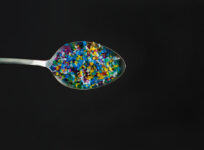


Medication: It’s in the Water


I used to think I had a choice about what medications I put into my body, how much I took, and when I took them. I use medications only when truly necessary. I can choose to avoid caffeine or alcohol. I use pressure points instead of aspirin to treat headaches.

It is a shock, then, to realize I may be unwittingly imbibing drugs I don’t want or need because they’re in my drinking-water. The truth is, all of us may be exposed to antibiotics, herbicides and hormones, to name a few—in the water we drink.

There are numerous studies on pharmaceuticals in our waterways. A US Geological Survey found pharmaceuticals and other man-made bioactive organic chemicals in 80 percent of 139 streams sampled in 30 states (US Geological Survey research on the presence of pharmaceuticals in the environment: http://toxics.usgs.gov/regional/emc/). Baylor University researchers found Prozac in fish. We’re reading a lot these days about flushing, excreting, landfilling and run-off of medications that return to us in our water.

Google the keywords, “endocrine disruption” and “fish,” and you’ll find loads of articles on the feminization of fish in waterways, attributed to exogenous hormones in the water. Some male fish and frogs have been found with testes and ova and reduced sperm counts. In many cases, the levels of individual drugs or hormones in the water are within “acceptable” levels, according to government standards, but what about the combined impact of the concoction of these “small amounts”?

So much for, “Not in my backyard.” This is in everyone’s faucet! Drugs and their metabolites get into our water supplies from expired meds people flush down the toilet. Some are active drug metabolites excreted in urine or feces. A lot come from livestock treated with antibiotics, hormones and other drugs.

Waste-water treatment plants cannot neutralize or otherwise cleanse medications from the water. Even landfills that have leachate systems cannot address all of the pharmaceuticals that end up in landfills (Water Environment Research Foundation’s Fact Sheet on Endocrine Disrupting Compounds and Implications for wastewater treatment: http://www.werf.org/pdf/04WEM6a.pdf).

This subject is not without controversy. Are there enough meds in the water to impact our health? There’s no clear-cut proof—yet. But what we do know is that active forms of pharmaceuticals are increasingly found in our water. The impact is uncertain at best, and the precautionary principle—the idea that if we’re not assured of safety, we must proceed cautiously—should apply here.

Are we, consumers and health care professionals, really the ones to address the issue of drugs in the water when industry, farms, and hospitals create the lion’s share of the waste? It may not seem like flushing a few outdated pills down the toilet is a big deal or that not flushing them will make a difference.

The point is, millions of people are flushing or throwing out “a few outdated pills.” Until there is strong political will to tackle the problem at the industrial level, we need to start at the individual level. As providers of care, and “gatekeepers” of drug dispensing, it’s incumbent on doctors to take action. There is no perfect scenario for management of pharmaceutical waste, but there are ways to begin. Here are a few simple steps physicians can take to help cut down on the amount of drugs entering the waste stream and the water supplies.

    Teach Patients Proper Disposal: Researchers are still trying to identify the best method of drug disposal, but land-filling is definitely preferred over flushing. The toilet is never the right answer. Instruct patients to return unused meds to their local pharmacy. If this is not possible, contain meds in a plastic bag or mix with kitty litter and put out with regular household trash. For safety purposes, make sure “trashed” drugs are well hidden from children.

    Proper Disposal in Clinic: A “best management” approach includes removal of pharmaceutical wastes by a licensed hazardous waste hauler. This is especially important for chemotherapeutic agents, regulated Hazardous Materials, or those that meet characteristics of hazardous waste. Learn more in the Hospitals for a Healthy Environment Guidance Document (http://www.h2e-online.org/docs/h2epharmablueprint41506.pdf).

    Limit or Eliminate Free Samples: Create a “No Sample” zone. Just say no to free drug samples or only take a small quantity that you know will be used appropriately. If you do take samples, check expiration dates to make sure their life extends for at least a year from receipt. Sometimes, as stockpiled lots approach expiration, drug companies will earmark them for sampling, so as not to incur the cost of disposing of the expired lots.

    Prescribe with Care: Antibiotic overuse and prescribing of more medication than a patient really needs adds to drug pollution. Prescribe only what is needed—not more.

    Educate Staff & Patients: Create a flyer to teach staff and patients about pharmaceutical waste. Show a commitment to public health through responsible prescribing and drug waste management. The Stockholm County Council’s Environmentally Classified Pharmaceutical Guide can help you identify the least environmentally harmful drugs (www.noharm.org/details.cfm?ID=1027&type=document).

    Know What You’ve Got: Conduct a formulary review for the medications you use and keep on hand in your clinic. Identify which are regulated, or meet the characteristics of hazardous waste. Some hazardous waste haulers can assist you in figuring this out.

    Use Regular Soap for Handwashing: Avoid Triclosan as an antimicrobial wherever possible; limit use to high-risk areas only (Beyond Pesticides: Triclosan Fact Sheet: http://www.beyondpesticides.org/pesticides/factsheets/Triclosan%20cited.pdf).

The good news is, many agencies and organizations have recognized the problem of pharmaceutical pollution and are gathering intelligence on how to address the problem. I recommend the following resources:

Janet Brown is Partners Coordinator for Hospitals for a Healthy Environment (H2E), an organization dedicated to creating a national movement for environmental sustainability in health care. www.h2e-online.org.