

Surgically Significant Supplements

For patients undergoing surgery, we generally make recommendations for the use or cessation of certain natural medicines. These recommendations are largely based on anecdote, and have not been subjected to rigorous study.

A literature search reveals only one controlled trial for a peri-operative program incorporating specific vitamin and herbal medications. This study involved patients undergoing total hip arthroplasty (THA) and total knee arthroplasty (TKA) at Ohio State University (Berend KR, et al. Surg Technol Int. 2004; 13: 329–347). Investigators compared 168 consecutive THA and 195 TKA patients in a “rapid recovery program” with control groups of 128 THA’s and 185 TKA’s done by the same surgeons in the 6 months prior to the rapid recovery program.

The recovery protocol included pre-op supplementation with erythropoietin, L-arginine, organic germanium, a multivitamin, additional vitamins C and E, zinc, L-glutamine, ornithine alpha-ketoglutarate, and beta-1,3-1,6 glycan (a medicinal mushroom extract). Patients were told to stop omega-3s because they can increase bleeding. The protocol also included a smoking-cessation program.

Patients in the rapid recovery group had significantly reduced length of stays, improvements in implant fixation, bearing surface longevity, and component life-span, as well as greater pain relief, improved function and quality of life compared with those receiving standard care.

There are many misconceptions about the relative safety, risk, and efficacy of medications in general—drugs as well as nutritional supplements—in the surgical context. A good example is Ginkgo biloba. Most physicians believe this herb inhibits platelet-activating factor, and should be avoided prior to surgery. Though there have been well-publicized case reports linking Ginkgo to bleeding, a careful scientific review shows this herb does not increase the risk of bleeding (Bal Dit Sollier C, et al. Clin Lab Haem. 2003; 25: 251–253).

Generally, surgical patients should not take vitamin E. This is especially true for those on antiplatelet agents. Healthy patients taking vitamin E show no decrease in platelet aggregation but do show decreased platelet adherence, so it is wise for them to avoid pre-op vitamin E. Diabetics have abnormal platelets and may benefit from stopping vitamin E prior to surgery but resuming it afterwards, to avoid increased post-op platelet aggregation. Patients needing tendon repairs and other procedures requiring strong collagen should avoid vitamin E before and after surgery (Petry JJ. Plast Reconstr Surg. 1996 Jan; 97(1): 233–240). There is no evidence that topical vitamin E speeds wound healing or improves cosmetic outcome of burns and other wounds. It may actually be detrimental to the cosmetic appearance of a scar, and can cause contact dermatitis in some patients (Baumann LS, et al. Dermatol Surg. 1999 Apr; (4): 311–315).

Vitamin A, on the other hand, should be given perioperatively, especially to steroid-treated patients and those with decreased immunity. It is especially indicated for surgical patients with sepsis, fractures, tendon damage, gastrointestinal dysfunction, bowel anastomoses, and trauma. Vitamin A reverses the corticosteroid-induced inhibition of wound healing, probably by restoring the inflammatory phase of healing. In that regard it is helpful. But in steroid-dependent patients, it can dampen the anti-inflammatory effects of the steroids, resulting in more pain and inflammation. The prudent course of action is to limit the dose in patients on steroids to 5,000 IU daily. In all other patients, the recommended dosage is 25,000 IU daily, except in pregnant women, who should also limit intake to 5,000 IU daily (Petry JJ. Plast Reconstr Surg. 1996; 97(1): 233–240).

Bromelain, an enzyme derived from pineapple, significantly increases resorption of hematomas (Woolf RM, et al. J Trauma. 1965; 5: 491). This enzyme has also been studied for its effect on blood-clotting. Forty-seven patients with various disorders characterized by edema and inflammation were given bromelain for one week. There were no clinically significant changes in bleeding, coagulation, or prothrombin times (Cirelli MG, Smyth RD. J Clin Pharmacol. 1963; 3: 37–39). The recommended dose is 500 mg qid on an empty stomach beginning 3 days prior to surgery and for at least 3 days after.

Vitamin C is needed to make collagen and to ensure proper wound healing. Severe injury appears to increase vitamin C requirements and vitamin C deficiency delays healing. Preliminary studies suggest vitamin C supplementation in non-deficient people can speed healing of wounds and trauma, including surgery, minor injuries, herniated intervertebral discs, and skin ulcers (Mazzotta MY. J Am Podiatr Med Assoc. 1994; 84: 456–462). A combination of 1–3 grams per day of vitamin C, and 200–900 mg per day of pantothenic acid increases the strength of healing skin tissue (Vaxman F, et al. Eur Surg Res. 1996; 28: 306–314).

Zinc is a component of many enzymes, including some involved in wound repair. Even a mild zinc deficiency can impair recovery from everyday tissue damage, as well as from more serious trauma. One controlled trial found surgical wound healing time was reduced by 43% with oral zinc supplementation 50 mg, thrice daily (Pories WJ, et al. Ann Surg. 1967; 165: 432–436).

Fractionated citrus pectin is recommended during biopsy of suspected malignancies and in cancer surgery. These pectin fractions bind galactin 3 receptors, reduce aggregation of cancer cells and adhesion of breast, prostate and melanoma cells to healthy epithelium. Dosage is 6 gm bid for 3 days prior to the procedure and for up to 6 months afterwards.

Arnica montana is routinely prescribed by homeopaths to alleviate soft tissue trauma from surgery. Studies have been mixed, and further research is needed to draw firm conclusions (Jaggi R, et al. Inflamm Res. 2004; 53(4): 150–157; Ernst E, Pittler MH. Arch Surg. 1998; 133(11): 1187–1190; Petry JJ. Plast Reconstr Surg. 2004 May; 113(6): 1867–1868).

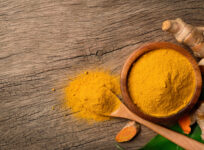
A partial list of medicines and supplements to be avoided due to their potential for anticoagulant effects include: aspirin, borage seed oil, curcumin, evening primrose oil, flaxseed oil, fish oil, garlic, ginger, ginseng, and green tea.

As more studies elucidate the mechanisms of natural medicines, our understanding of how to best use them will hopefully evolve away from simple generalizations based on case reports. In the mean time, it is essential to ask patients specifically about supplements or unusual dietary habits that may adversely affect surgical outcomes, and to keep in mind the supplements that may improve recoveries.

Monica Scheel, MD, specializes in natural and conventional treatment of skin problems. She focuses on whole body health—mind, body and spirit. Michael Traub, ND, is past-president of the American Association of Naturopathic Physicians. They both practice in Kailua-Kona, Hawaii.