

Acne is a common problem that must be approached with great sensitivity and compassion. What may seem like a mild case of inflammatory acne to you may actually be very disturbing to your patient. Severe cystic acne is typically very traumatic and scarring, both physically and emotionally.
For adolescents and adults alike, acne predisposes to embarrassment, social withdrawal, depression, anxiety, anger, and stigmatization. I know. As a teenager, I had severe acne. Ironic, as my father was a dermatologist. He sent me to his partner to be treated with everything from tetracycline (which discolored my teeth) to superficial x-rays (which led to many basal cell carcinomas on my face twenty-five years later). Nothing really helped.
My teenage diet certainly didn’t help. My favorite snack was a sugary maple bar, which I bought every day at school. I ate all kinds of high carb foods, greasy foods, lots of milk and cheese. A recent study showed that in young men with acne, a high glycemic diet increased sex hormone binding globulin, free androgen index, insulin-like growth factor-I, insulin sensitivity and lesion counts, compared with a low-glycemic diet (Smith RN, et al. Am J Clin Nutr. 2007 Jul; 86(1): 107–115).
A study of 47,355 female nurses found a positive correlation between high school milk intake and acne prevalence. This may be due to the hormone content of milk (estrogens, progesterone, androgens, glucocorticoids and IGF-1). Soda, French fries, chocolate, and pizza were not associated with acne (Adebamowo, C et al. J Amer Acad Dermatol. 2005; 52(2): 207–214).
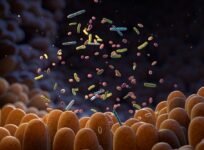
Propionibacterium acnes is an anaerobic bacterium in sebaceous follicles. It is not a pathogen, per se, but it does stimulate inflammation. In fact, the therapeutic effect of tetracycline may relate more to its well-established anti-inflammatory effect than to a direct bactericidal effect against P. acnes. Sub-therapeutic doses of doxycycline can improve acne without changing P. acnes counts at all.
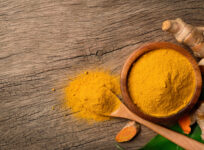
A rational alternative or adjunct to doxycycline is an anti-inflammatory diet which is low in saturated fats, trans fats, hydrogenated oils, and glycemic load but high in essential fatty acids from cold water fish, nuts and seeds and their butters, avocados and extra virgin olive oil, flaxseed oil; and high in anti-inflammatory foods and spices such as garlic, ginger, turmeric, and onions.
Conventional acne therapies include benzoyl peroxide and keratolytics, topical retinoids and isotretinoin, topical and oral antibiotics, oral contraceptives, and anti-androgens. Disadvantages include increased incidence of bacterial resistance, especially drug-resistant staphylococcus, patient fears of antibiotics, potentially severe retinoid side effects, and tight regulation on prescription of isotretinoin.
Arguably the most important dermatologic drug of the last 30 years, isotretinoin (Accutane) is the single most effective acne therapy. It works on all four main pathogenic factors: sebum production, follicular hyperkeratinization, bacterial proliferation, and inflammation, and often gives dramatic improvements. But it has serious potential adverse effects including teratogenicity, psychiatric problems, and hypertriglyceridemia, so it is seldom a first-line therapy.
Naturopathic acne therapeutics are based on removing “obstacles to cure,” that is, identifying and removing the underlying causes of the disease, including androgen excess, P. acnes, oil-based cosmetics, dietary factors, chronic irritation, stress, and medications.
I use high dose Vitamin A as a first-line therapy. It works for the same reasons isotretinoin does. In fact, it was dermatologist Dr. Albert Kligman’s pioneering work with high-dose vitamin A in the 1970s that led to development of isotretinoin. I generally prescribe 150,000 IU daily of a concentrated liquid emulsion (A-Mulsion from Seroyal) which is cinnamon flavored. It is not water soluble, so patients must take 15 drops on a teaspoon daily.
Like isotretinoin, high-dose Vitamin A is potentially teratogenic; reproductive-age women must adhere strictly to contraceptive measures. I strongly recommend monitoring of lipids, transaminases, and psychological status, but in truth, I have not once seen any adverse effects in the over 20 years using this therapy.
Other useful natural medicines include zinc, pyridoxine, nicotinamide, and Tea Tree oil. Zinc is involved in hormone activation, retinol-binding protein formation (enhances effect of retinoid therapy), wound healing, and enhancing immunity. Zinc sulfate has shown efficacy similar to tetracycline, but with fewer side effects (Michaelsson G, et al. Br J Dermatol. 1977; 97: 561–566). Zinc gluconate, 30 mg daily, has also shown significant efficacy (Meynadier J. Eur J Dermatol. 2000; 10: 269–273). Women with premenstrual aggravation of acne often respond to pyridoxine, which reflects its role in normal metabolism of steroid hormones (Snider BL, et al. Arch Dermatol. 1974; 110: 130–131).
Nicomide is a prescription oral preparation of nicotinamide, 750 mg, zinc oxide 25 mg, cupric oxide 1.5 mg, and folic acid 500 mg. It inhibits leukocytic chemotaxis, leukocytic release of lysosomal enzymes, lymphocytic transformation, release of vasoactive amines, and the activity of P. acnes lipase.
Nicomide T 4% is also available as a cream or gel. It is effective, causes virtually no dryness, burning, and irritation commonly associated with prescription or over-the-counter acne medications, and carries no risk of inducing bacterial resistance (Grif?ths CEM. J Derm Treat. 1995; 6(Suppl 1): S8–S10). In one study, Nicomide topped clindamycin gel in reducing lesion count and severity in moderate inflammatory acne (Shalita AR, et al. Int J Dermatol. 1995; 34: 434–437).
Topical tea tree oil 5% is comparable in efficacy to 5% benzoyl peroxide, with fewer side effects. A 15% concentration may be even more effective (Bassett IB, et al. Med J Aust. 1990; 153: 455–458). Be aware that Tea Tree oil can occasionally produce contact dermatitis.
Lastly, stress management is an essential aspect of managing acne, since the stress response increases cortisol, which thickens sebum. As mentioned in the beginning of this column, the stress of having acne compounds the problem, so anything that can help reduce stress in a positive and healthy way will be a valuable adjunct to the medical treatment of acne.
I attribute the eventual improvement of my acne, at age 18, to feeling happier and less self-conscious, when I was fortunate enough to be deeply loved by my first girlfriend. I believe this resulted in hormonal changes that reduced sebaceous gland over-activity, inflammation, follicular plugging, Propionibacterium acnes counts, and androgen excess—the key pathogenic factors of acne. We should never under-estimate the healing power of love and interpersonal connection.
Michael Traub, ND, past-president of the American Association of Naturopathic Physicians, is the author of Essentials of Dermatological Diagnosis and Natural Therapeutics, and practices on the Big Island of Hawaii.