- “From diabetes to hypertension, cancer to drug addiction, stroke to intestinal motility, memory and learning disorders to septic shock, sunburn to anorexia, male impotence to tuberculosis, there is probably no pathological condition where nitric oxide does not play an important role.”—homepage of the Nitric Oxide Society, www.nitricoxide.ws
With over 82,000 recent studies to its credit, Nitric Oxide (NO), has become something of a biochemical superstar since the discovery of its vascular effects in the 1990s. The more researchers study it, the more clinical implications they find. We now recognize that many widespread diseases like cardiovascular disease, hypertension, dyslipidemia, diabetes, erectile dysfunction and sickle cell anemia involve, to varying degrees, abnormalities of NO production.
Is there a common connection—and perhaps a common correction—for these various conditions?
![]() |
|
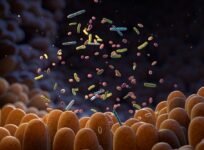
| Photo: Dr. Junghee Lee, UCLA School of Medicine. |
Say Yes to NO!
Ever heard of Viagra? Nitroglycerine? Few people haven’t. But most people, even many physicians, don’t realize these are nitric oxide therapies. They increase NO production and release in the vasculature of specific tissues and blood vessels.
In humans and other animals NO is internally produced from precursors like arginine, which are converted by enzymes called NO synthases into NO. The three synthases known at this time are Endothelial (think cardiovascular), Neuronal (think brain–nervous system), and Inducible (think immune system).
At this point, there are two basic therapeutic approaches to increasing NO: arginine-derived nitric oxide therapies (ADNO) in which arginine is delivered orally or intravenously and then converted internally into NO; and administration of NO gas via mask inhalation. The latter is standard for premature infants with impaired respiration.
NO is commonly confused with Nitrous Oxide, or “laughing gas,” a separate molecule with very different chemical “behavior.” Nitrous oxide has two nitrogen molecules; nitric oxide only has one.
A Bit of Nitric Oxide History
Nitroglycerine, which Alfred Nobel mixed with silica to create dynamite in 1866 (and which he was later prescribed for heart complications), was discovered in 1847 by Ascanio Sobrero, an Italian chemist who was one of Nobel’s university peers. It was widely used in the treatment of angina pectoris for over 100 years without anyone knowing its mechanism of action.
Thanks to the work of Drs. Robert Furchgott, Louis Ignarro, and Ferid Murad, we now know nitroglycerine acts by releasing NO from the endothelium, inducing a relaxation of vascular smooth muscle and consequent vasodilation. NO-induced vasodilation means mproved circulation and more oxygen for the heart muscle, lower blood pressure, improved erectile function, and pain reduction. Endothelial NO also makes the vessel lumen more “slippery,” retarding thrombus formation and promoting anti-coagulant activity.
Furchgott, Ignarro, and Murad won the1998 Nobel Prize for Physiology and Medicine for their discoveries. Therapeutic indications for eNOS include atherosclerosis, hypertension, hyperlipidemia, sickle cell anemia, gout, carpel tunnel syndrome, arthritis, and diabetes.
NO Therapies on the Horizon
In 2006, NicOx—a French biopharmaceutical firm specializing in NO-donating technologies—agreed to collaborate with Merck on new NO-based antihypertensive drugs (look for an NDA in 2009). NicOx also granted Pfizer exclusive rights to use its proprietary NO-donating technology for ophthalmology drug development. Pfizer will make payments of $27.3 million in the first year, and pay milestones in excess of $356.2 million. Clearly, NO has captured Big Pharma’s attention.
In the 1990s, nutrition scientist Robert Fogli developed a product called Hemoxide that was brought through the FDA in 1997. It was classified a prescription-only medical food until 2001, when it was granted OTC status. Hemoxide contains two types of nutrients incorporated into a lock and key design: 1) L-argininine and other molecular building blocks for NO production, and 2) nutrients to stimulate and regulate NO production. The goal is to enable the body to produce more NO through its own natural processes.
Hemoxide triggers an insulin reaction in the small intestine, facilitating passage of the NO precursors directly into the bloodstream. This is why users are advised to take the product on an empty stomach.
A sister product called Hemoxide II is also available, specifically for diabetic patients. It contains Gymnema sylvestre, an Ayurvedic herb used for centuries in India for diabetes and glucose regulation problems. Hemoxide was championed by the late Dr. Joseph Juliano, a leading endocrinologist, who used it to treat his own diabetes for two years before becoming involved with the product’s manufacturer, Total Health Enhancement Labs (www.healthyproduct.com).
ADNO & Diabetes
According to Dr. Juliano and many other researchers, end-organ complications of diabetes are largely due to poor endothelial, neuronal, and inducible NO production, and consequent poor peripheral circulation. These include retarded wound healing, numbness, blindness, erectile dysfunction, neuropathies, and loss of libido.
A host of studies point to a glucose-dependent abnormality in NO production in diabetics. In light of this, ADNO therapy certainly makes sense. Until recently, though, the problem has been that diabetics can suffer renal complication from high doses of arginine. Using less than one gram of arginine per three-capsule dose, therapies like Hemoxide II may open the door for safer ADNO treatment of diabetics.
If increased NO improves circulation and reduces risk of diabetic complications, it makes sense to ask if nitroglycerine or Viagra could be used to this end.
For nitroglycerin, I feel the question is well worth future study, and I say this based on personal experience. During a recent trip to the emergency room for a severe pleuritic attack and possible pulmonary embolism, I took Hemoxide during the long wait, hoping NO’s vasodilatory and anticoagulant effects might help. The pain did decrease and I could breathe a little more easily. Once in with the doctors, I requested transdermal nitroglycerine to increase the NO effect without causing hypotension. It worked, and some say it saved my life.
As for Viagra, Levitra and Cialis, the answer is no. Viagra works by increasing blood flow in extremities and inhibiting its normal return to the body’s core (this is how those 4-hour erections come about). Users often report warmth in hands and feet. However, this also means blood flow is going away from areas like the heart and brain, which accounts for side-effects like stroke and light-headedness.
Neuronal & Inducible Nitric Oxide
Without neuronal NO synthase (nNOS) we would have no neuronal cell communication. That means no thoughts, memories, emotions, or fantasies. It is common for users of Viagra and similar drugs to report improvement in sexual performance but without increased sexual desire or fantasy. Physiologically, this makes sense: Viagra does not produce nNOS.
Inducible NO synthase (iNOS) plays a key role in the immune system, signaling cells to self destruct and calling macrophages into phagocytic action. It also plays a role in inducing vasodilation or inflammation in response to injury or infection.
The discovery of iNOS in association with certain cancers has led to a hunt for iNOS-based cancer therapies. In 2003, Udupi and colleagues at the University of Utah developed an experimental drug that reacts with a substance inside cancer cells, releasing NO to kill the cells or slow their growth while sparing healthy cells.
The drug, tentatively called JS-K, induced apoptosis in acute myeloid leukemia (AML) cells grown in culture and inhibited their growth in mice (Udupi M, et al. Leukemia Research. 2003; 30(10): 1279–1283). AML is the most common and most deadly form of leukemia. In other in vitro tests, the drug also inhibited prostate, colon and breast cancer cells. It’s early stage work, but it is promising.
Are Americans NODding Out?
If you accept the idea that low NO production plays a role in hypertension, CVD, diabetes, erectile deficiency, infertility, and cancer, then the increasing incidence of all of these suggests that our population is highly NO deficient. I like to call it “NODS (Nitric Oxide Deficiency Syndrome).”
Part of my work involves translating NO research into animal drug applications; I’ve seen the negative health impact of taking top performance horses on the road. Away from green pastures, exposed to exhaust, and under constant stress, the horses develop serious conditions related to NO deficits, including Cushing’s (horse diabetes), and infertility (low sperm count and motility).
For humans, the causes and results of NO deficits are similar. How interesting that the key market for Viagra is the high-stress executive. How interesting that infertility is on the rise in career-driven couples (NO is found in the acrosomes of human sperm and at the site of conception).
The best physiological support for NO production comes from eating fresh green leafy vegetables, red fruits, and non-rancid nuts/seeds like walnuts, almonds and flax seeds. Unfortunately most Americans have the greatest dietary deficits in just these food groups.
Diets light on vegetables but heavy on grain-fed versus grass fed meats, highly refined or processed foods do not provide sufficient levels of NO-producing nutrients. Further, the loads of unhealthy fats in our modern diets present a challenge that outstrips the endogenous NO-driven vasodilatory mechanism that served us so well for millennia.
A number of large studies have shown an inverse relationship between fruit and vegetable intake and CVD. In one trial, increased intake of vegetables decreased blood pressure almost to the same extent as monotherapy with a standard antihypertensive drug (Appel LJ. N Engl J Med. 1997; 336: 1117–1124. Lundberg JO, et al. Nitric Oxide. 2006; 359–362). Plant-based foods have many helpful properties; I believe that facilitating NO production is a major one.
For people who have trouble ramping up their vegetable intake, high-quality powdered “super green” products can help. They can be mixed in diluted apple or cranberry juice, and most patients find them pretty agreeable. I personally take PaleoGreens, made by Designs for Health (www.designsforhealth.com), which is made from 25 fruits, land, and sea vegetables, 80% or more from organic sources.
What’s NOrmal?
When it comes to NO production, there is no magic number, no clear threshold between health and deficiency. NO production is influenced by genetics, diet, lifestyle, psychology, and many other factors. The point is, a body that can produce more NO is generally healthier than one in which the process is impaired.
Abnormally high NO production, however, can cause serious complications. During an acute infection inducible NO signals can trigger extreme vasodilation, causing blood pressure to plummet—a condition called septic shock, which kills about 100,000 Americans each year.
NO is also a culprit in reperfusion damage, particularly in stroke. As a free radical, it can damage or destroy brain cells. Dr. Lester Packer’s group at UC Berkeley showed that intravenous lipoic acid significantly offset stroke reperfusion damage.
Researchers continue to look for ways to selectively inhibit or regulate production levels of harmful NO without decreasing the overall levels of beneficial NO. So if you get confused reading NO articles . . . well, you’re in good company!
What About Tests?
It is possible to detect NO deficits biochemically. Metametrix Clinical Laboratory offers a test that measures Asymmetric Dimethylarginine (ADMA) in plasma. ADMA is a potent NO inhibitor and it also correlates with loss of insulin sensitivity. Elevated ADMA is a strong indicator of an NO deficiency, and this is a common finding in people with insulin resistance, metabolic syndrome and diabetes.
ADMA is also driven up by increased arachidonic acid. In other words, it correlates with a hyper-inflammatory state, also common in people with insulin resistance and diabetes (for more about the ADMA test, visit www.metametrix.com).
Putting “NO-How” into Your Practice
Think about your patients. In all likelihood there are many with some combination of elevated cholesterol, hypertension, diabetes, peripheral neuropathies and erectile dysfunction. Abnormal NO production is often a key connecting factor, and the presence of any one of those conditions suggests the possibility of the others.
Treatments aimed at normalizing NO production could serve an elegant single solution, as opposed to the multiple meds needed to treat each separate condition.
Perhaps the next time a patient comes in complaining of erectile dysfunction, you might see it as a blessing in disguise, put on your NO glasses, and talk to them about diabetes and heart disease detection and prevention. You might also reconsider what you are prescribing, if your med of choice for improving erectile dysfunction is increasing the risk of stroke and enabling the patient to ignore the very real threat of future heart disease or end-stage diabetic complications.
ADNO therapies can be tricky in patients with herpes, as arginine can accelerate an impending breakout. These patients need close monitoring, and should follow a low-arginine diet while on ADNO treatment. High arginine foods to avoid while taking supplemental ADNO include walnuts, brazil nuts, almonds, cashews, pecans, sunflower seeds, pumpkin seeds, flaxseeds, and sesame seeds (Staying Healthy with Nutrition, by Elson Haas, MD, has an excellent listing of arginine:lysine ratios in common foods).
Herpes patients on ADNO should also avoid lysine supplements. Though lysine can sometimes prevent an impending herpes lesion, it competes with arginine, thus defeating the goal of ADNO therapy.
Because they can produce significant changes in blood pressure, ADNO therapies should not be used concurrently with blood pressure drugs. This includes drugs that influence NO production, like Viagra, Cialis, Levitra or Nitroglycerine. Likewise, because ADNO also has an anticoagulant effect, it shouldn’t be combined with blood thinners like Coumadin, Warfarin, and Heparin.
Lastly patients should limit or avoid NO-inhibiting anti-inflammatory drugs such as ibuprofen, or anti-inflammatory herbs (Turmeric being an exception), as these would interfere with NO production, which is the goal of treatment.
Tamara Sofi-Smith, PhD candidate (tam@totalhealthenhance.com) is a second generation scientist and health educator specializing in translating research into viable health products. Her father, David Sofi, played a key role in translating Tamoxifen from a failed birth control pill into a leading breast cancer drug. Tamara works with Robert Fogli, lead scientist at Total Health Enhancement labs, on development of human, equine, and livestock therapies. She also serves as formulator and protocol advisor on major university studies. This article is dedicated to the memory of Michael Ricciardi and Joseph Juliano, who dedicated the final years of their lives to making safe and effective ADNO therapies available to all they could reach.